





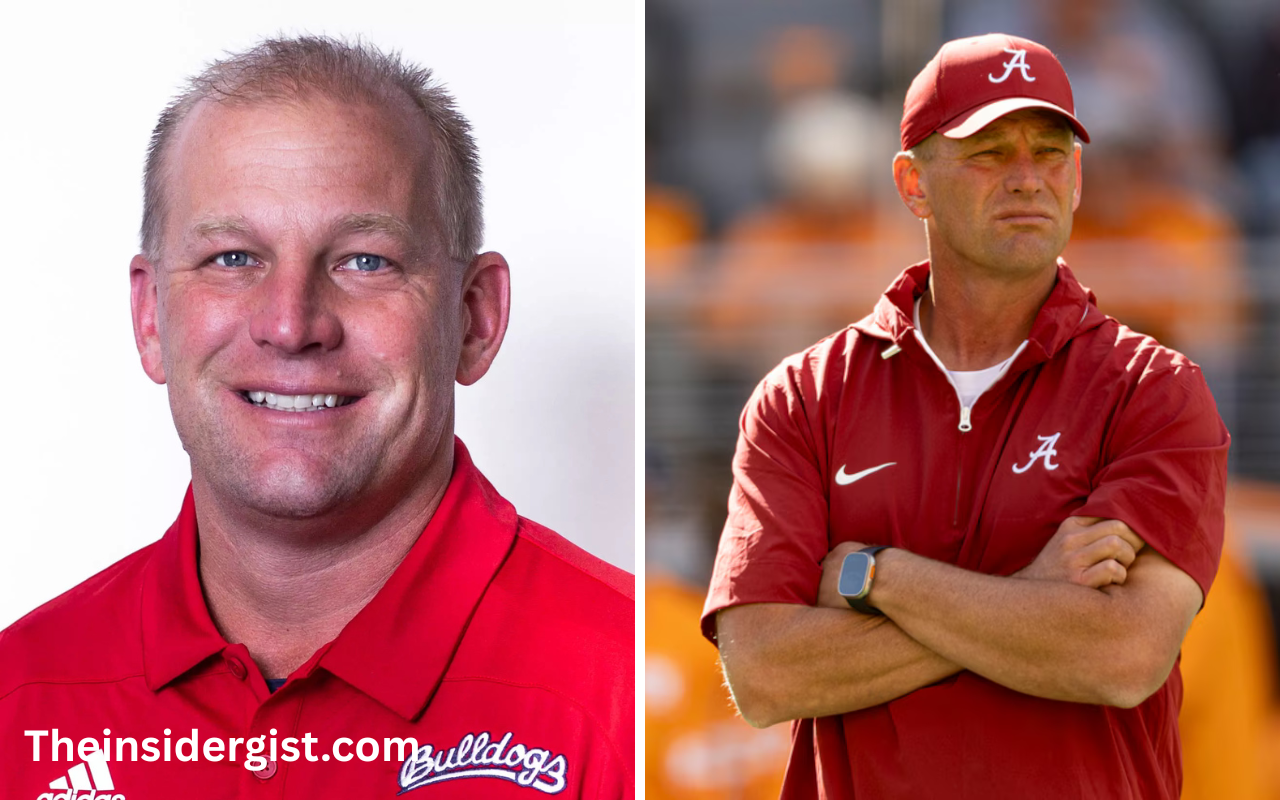
Kalen DeBoer: The Journey of a Modern College Football Leader
Early Life and Small-Town Foundations
Kalen DeBoer was born in Milbank, South Dakota, a quiet Midwestern town where community values and discipline play a central role in everyday life. Growing up in this environment, he developed a strong sense of responsibility and work ethic that would later shape his coaching career. His early exposure to sports was not just about competition but also about understanding teamwork, patience, and perseverance.
In his youth, DeBoer showed a natural inclination toward athletics. Football quickly became his passion, and he spent countless hours honing his skills. His upbringing in a smaller town meant fewer distractions and more focus on personal growth. Coaches and mentors in his early life recognized his leadership potential, often noting his calm demeanor and ability to guide teammates.
Beyond sports, his early years were grounded in education and personal discipline. These qualities became the backbone of his future success. His ability to balance academics with athletics helped him develop a mindset that would later define his coaching philosophy—one that values both mental and physical excellence.
College Football Career and Athletic Excellence
DeBoer attended the University of Sioux Falls, where he built an impressive career as a wide receiver. His time there was marked by exceptional performance, as he became one of the most productive players in the program’s history. His consistent ability to deliver results made him a standout athlete and earned him recognition at a national level.
During his college years, he developed a deep understanding of offensive football. He wasn’t just executing plays; he was studying them, analyzing defensive patterns, and learning how to adapt strategies in real time. This intellectual approach to the game would later become a defining trait of his coaching style.
His athletic journey also included baseball, where he demonstrated his versatility as a multi-sport athlete. This experience broadened his perspective on competition and discipline. It taught him how different sports require different mental approaches, something that would later influence how he trains and develops players.
Transition into Coaching and Early Learning Years
After finishing his playing career, DeBoer naturally transitioned into coaching. His first role came as a student assistant, allowing him to stay connected to the game while learning the fundamentals of coaching. This period was essential, as it gave him a chance to observe experienced coaches and understand the nuances of leadership.
He quickly moved into more responsible roles, including offensive coordinator positions. These early coaching years were about experimentation and growth. He began developing his own play-calling style, focusing on efficiency and adaptability. His ability to communicate effectively with players set him apart from others at this stage.
This phase of his career was not about instant success but about building a strong foundation. He spent time refining his strategies, learning from mistakes, and understanding what it takes to lead a team. These lessons became invaluable as he prepared for bigger opportunities in the future.
Dominance at the University of Sioux Falls
DeBoer’s first major breakthrough as a head coach came at the University of Sioux Falls. His tenure there was nothing short of extraordinary, as he built one of the most dominant programs in college football at the time. His teams were known for their disciplined approach and high-scoring offenses.
Under his leadership, the program achieved remarkable success, including multiple national championships. His ability to consistently deliver winning seasons demonstrated not only his tactical brilliance but also his leadership skills. Players responded to his coaching style, which emphasized accountability and trust.
This period established him as a rising star in the coaching world. His success at Sioux Falls caught the attention of larger programs, proving that he had the ability to lead at higher levels. It was clear that his coaching career was just beginning to reach its full potential.
Expanding Experience Across College Programs
Following his success at Sioux Falls, DeBoer moved into roles at various college programs, gaining valuable experience across different conferences. These positions allowed him to adapt his coaching style to different team dynamics and levels of competition.
Working as an offensive coordinator, he helped transform struggling offenses into efficient units. His innovative strategies and ability to maximize player potential made him a highly sought-after coach. Each program he joined benefited from his expertise and leadership.
These years were crucial in shaping his versatility as a coach. He learned how to manage different types of players, handle pressure situations, and adjust strategies based on the strengths of his team. This adaptability became one of his greatest strengths as he continued to rise in the coaching ranks.
Breakthrough Success at Fresno State
DeBoer’s appointment as head coach at Fresno State marked his entry into a more competitive level of college football. Despite facing challenges, he quickly made an impact by improving the team’s performance and instilling a winning mentality.
His leadership transformed the program into a strong contender. The team’s offense became one of its biggest strengths, showcasing his ability to design effective game plans. Players thrived under his guidance, and the program gained national recognition.
This success solidified his reputation as a coach capable of delivering results at higher levels. It also demonstrated his ability to rebuild and strengthen a program, a skill that would prove essential in his future roles.
Transforming the Washington Huskies
DeBoer’s tenure with the Washington Huskies marked a significant step in his career. From the beginning, he brought a sense of purpose and direction to the program. His impact was immediate, as the team showed noticeable improvement in performance and confidence.
One of his greatest achievements was leading the team to a highly successful season that captured national attention. His offensive strategies and leadership style played a crucial role in this success. The team became known for its resilience and ability to perform under pressure.
His time at Washington showcased his ability to compete at the highest level of college football. It also proved that his coaching methods could succeed in major conferences, further enhancing his reputation as one of the top coaches in the game.
Leading the Alabama Crimson Tide into a New Era
In 2024, DeBoer took on one of the most challenging roles in college football by becoming the head coach of the Alabama Crimson Tide football. This position came with immense expectations, as he succeeded the legendary Nick Saban.
Taking over such a prestigious program required not only skill but also confidence and vision. DeBoer brought a fresh perspective to the team, focusing on modern offensive strategies and player development. His approach signaled a new era for Alabama football.
Fans and analysts closely watched this transition, eager to see how he would shape the program. His leadership style and proven track record provided optimism that he could maintain the team’s legacy while introducing new innovations.
Coaching Philosophy and Leadership Style
Kalen DeBoer is known for his offensive-minded coaching philosophy. His strategies focus on efficiency, precision, and adaptability. He believes in tailoring his approach to the strengths of his players, ensuring that each team performs at its best.
His leadership extends beyond the field. He emphasizes building strong relationships with players, creating an environment of trust and accountability. This approach helps players develop not only as athletes but also as individuals.
Another key aspect of his philosophy is continuous improvement. He constantly evaluates his strategies and seeks ways to innovate. This commitment to growth keeps his teams competitive and prepared for evolving challenges in college football.
Read More: Jayden Daniels Injury Update: Recovery, Timeline, and What It Means for His NFL Future
Personal Life and Lasting Legacy
Off the field, DeBoer is known for his grounded personality and dedication to family. He maintains a balance between his professional responsibilities and personal life, which reflects his values and priorities. His ability to stay connected to his roots adds authenticity to his leadership style.
His journey from a small-town athlete to a major college football coach serves as an inspiration. It highlights the importance of perseverance, hard work, and adaptability. His story resonates with aspiring athletes and coaches who aim to achieve success in competitive environments.
As he continues his career, DeBoer’s legacy is still unfolding. His impact on college football is already significant, and his future holds even greater potential. With his vision and determination, he is set to leave a lasting mark on the sport.