

How to Layer a Sweater: The Complete Style Guide for Warmth, Comfort, and Effortless Fashion
Mastering how to layer a sweater is one of the most valuable style skills anyone can learn. A well-layered outfit provides warmth, comfort, versatility, and visual depth while helping you adapt to changing temperatures throughout the day.
Whether you’re dressing for work, travel, casual weekends, or winter weather, understanding how to layer a sweater can instantly elevate your wardrobe. The difference between looking bulky and looking polished often comes down to choosing the right layers, fabrics, proportions, and styling techniques.
Why Sweater Layering Matters
Layering is more than simply adding extra clothing. It is a strategic approach to dressing that balances function and style while creating dimension in an outfit.
When done correctly, layering helps regulate body temperature and allows you to adjust to different environments. It also creates visual interest by combining textures, colors, and silhouettes.
Understanding the Foundation of Layering
Every successful layered outfit begins with a base layer. This foundational garment sits closest to the skin and influences comfort throughout the day.
Lightweight T-shirts, fitted tops, button-down shirts, and thermal pieces serve as excellent foundations. The goal is to create a smooth base that complements rather than competes with the sweater.
Choosing the Right Sweater
Not all sweaters are equally suitable for layering. The weight, fit, material, and construction significantly affect how the overall outfit appears.
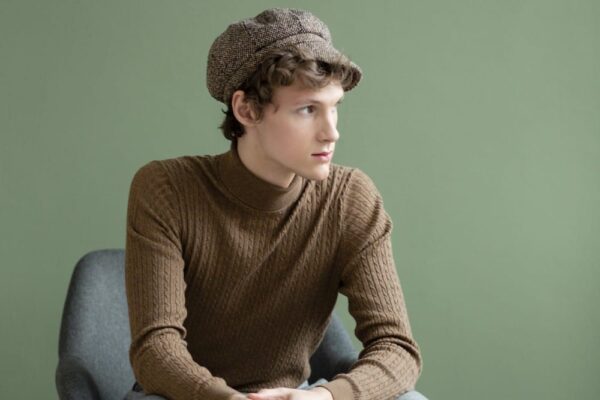
Fine-gauge merino wool, cashmere blends, cotton knits, and lightweight crewnecks often provide the greatest versatility. Chunkier sweaters can also work well when balanced with streamlined outer layers.
Understanding Layering Proportions
Proportion is one of the most overlooked aspects of learning how to layer a sweater. An outfit may contain excellent pieces but still feel awkward if the proportions are off.
The most flattering layered looks typically combine fitted and relaxed elements. Pairing a slim base layer with a slightly looser sweater often creates a balanced silhouette.
The Role of Fabric Selection
Fabric choice influences both comfort and appearance. Different materials provide varying levels of insulation, breathability, and structure.
Natural fibers such as wool, cotton, and cashmere generally perform exceptionally well in layered outfits. Synthetic materials may offer additional stretch and moisture management when used appropriately.
Layering a Sweater Over a T-Shirt
One of the simplest approaches to how to layer a sweater involves pairing it with a basic T-shirt. This combination works across seasons and suits a variety of personal styles.
A crewneck sweater layered over a fitted T-shirt creates a clean and effortless look. Slight visibility at the neckline can add subtle depth without appearing cluttered.
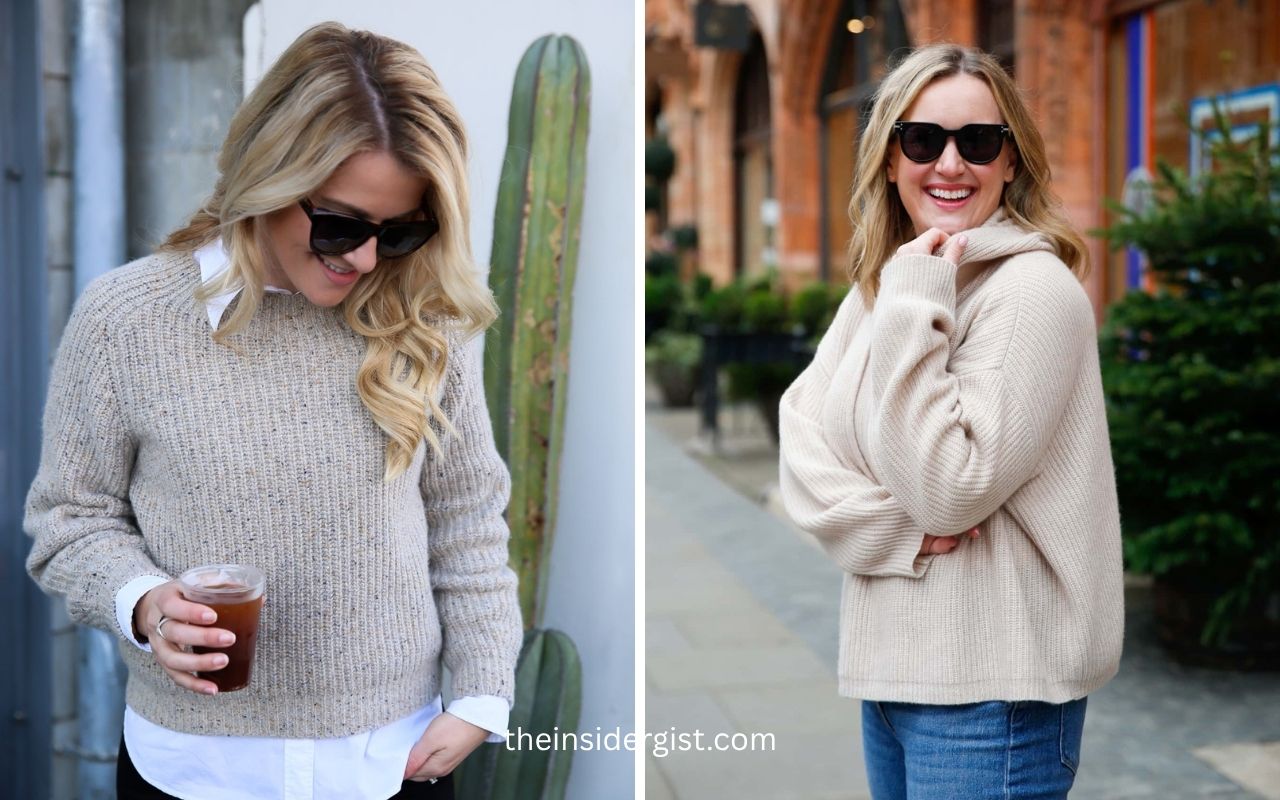
Layering a Sweater Over a Button-Down Shirt
The sweater-and-shirt combination remains a timeless style choice. It works particularly well in professional, business-casual, and smart-casual environments.
Allowing the collar, cuffs, or shirt hem to remain visible creates intentional layering. This technique introduces structure and sophistication while maintaining comfort.
Styling Sweaters Under Jackets
Many people exploring how to layer a sweater focus exclusively on what goes underneath. Equally important is understanding what should go on top.
Denim jackets, leather jackets, blazers, and wool coats pair exceptionally well with sweaters. The combination creates depth while providing additional warmth during cooler months.
Layering Under Blazers
A sweater worn beneath a blazer creates a refined appearance suitable for offices, meetings, and semi-formal occasions. This approach combines professionalism with comfort.
Fine-knit sweaters work best because they maintain a clean profile beneath structured tailoring. Excessively thick knits may create unnecessary bulk.
Using Sweaters as a Mid-Layer
In cold climates, sweaters often function most effectively as a middle layer rather than the primary outer garment.
A thermal base layer, quality sweater, and weather-resistant coat create a versatile system capable of adapting to changing temperatures throughout the day.
Seasonal Approaches to Sweater Layering
Different seasons require different layering strategies. What works in winter may feel uncomfortable during spring or autumn.
Lighter fabrics and breathable combinations perform better in transitional weather. Heavier knits and insulated outerwear become more practical during colder months.
Spring Layering Techniques
Spring weather can fluctuate significantly throughout the day. Strategic layering provides flexibility without sacrificing style.
Lightweight cotton sweaters paired with breathable shirts create adaptable outfits. Outer layers can easily be removed as temperatures rise.
Fall Layering Strategies
Fall is often considered the ideal season for mastering how to layer a sweater. Cool mornings and mild afternoons make versatile dressing essential.
Earth tones, textured knits, and lightweight jackets work particularly well during autumn. The season naturally encourages creative layering combinations.
Winter Layering Essentials
Winter requires a stronger focus on insulation and heat retention. Proper layering becomes essential for both comfort and practicality.
Wool sweaters, thermal foundations, and protective outerwear create effective cold-weather systems. The objective is warmth without excessive weight.
Common Layering Mistakes
Many layering problems stem from using pieces that are too bulky or too similar in size. Without contrast, outfits can appear heavy and shapeless.
Another common mistake involves ignoring fabric compatibility. Combining materials with vastly different weights may disrupt the overall balance of the outfit.
Color Coordination Principles
Color plays a significant role in creating cohesive layered looks. Successful combinations often rely on harmony rather than excessive contrast.
Neutral shades such as navy, gray, black, beige, and cream provide versatile foundations. Accent colors can then be introduced through individual layers.
Texture and Visual Depth
Texture is one of the most powerful tools in layering. Different materials interact visually to create richness and dimension.
Combining cotton, wool, denim, leather, and cashmere can make even simple outfits appear more sophisticated. Texture often contributes more visual interest than color alone.
Layering for Professional Settings
Workplace environments require a balance between style and professionalism. Layering allows individuals to maintain both.
A fine-knit sweater over a collared shirt and beneath a blazer creates a polished appearance suitable for many office settings.
Casual Sweater Layering
Casual outfits provide greater flexibility for experimentation. Relaxed silhouettes and comfortable fabrics can create effortless style.
Sweaters paired with jeans, chinos, sneakers, and lightweight jackets often deliver a timeless aesthetic that works across multiple occasions.
Layering for Travel
Travel demands versatility and practicality. Clothing should adapt to varying temperatures and environments without requiring excessive packing.
A thoughtfully layered outfit allows travelers to remain comfortable during flights, outdoor activities, and changing weather conditions.
Comparing Popular Sweater Layering Options
The following table highlights common layering combinations and their ideal use cases.
| Layering Combination | Warmth Level | Style Level | Best Occasion |
|---|---|---|---|
| T-Shirt + Sweater | Moderate | Casual | Everyday wear |
| Shirt + Sweater | Moderate | Smart Casual | Office settings |
| Sweater + Blazer | Moderate | High | Business casual |
| Thermal + Sweater + Coat | Very High | High | Winter weather |
| Sweater + Denim Jacket | Moderate | Casual | Weekend outings |
| Sweater + Leather Jacket | High | Stylish | Evening events |
| Hoodie + Sweater | Moderate | Trendy | Streetwear looks |
| Sweater + Trench Coat | High | Elegant | City wear |
| Sweater Vest + Shirt | Light | Professional | Office attire |
| Cashmere Sweater + Overcoat | Very High | Premium | Formal occasions |
This comparison demonstrates how different combinations serve distinct functional and stylistic purposes. Selecting the right option depends on weather, occasion, and personal preference.
The Psychology of Layered Style
Layered outfits often communicate confidence, attention to detail, and intentionality. They suggest that an individual understands both practicality and aesthetics.
Fashion experts frequently emphasize that successful style is rarely about expensive clothing. It is more often about thoughtful combinations and effective presentation.
Modern Trends in Sweater Layering
Contemporary fashion has embraced oversized silhouettes, textured fabrics, and relaxed tailoring. These trends have expanded possibilities for sweater styling.
Many modern outfits incorporate elements traditionally associated with workwear, streetwear, and classic menswear. This blending of influences creates fresh layering opportunities.
A Stylist’s Perspective
Fashion stylists often describe layering as the foundation of versatile dressing. Rather than purchasing countless outfits, strategic layering multiplies wardrobe possibilities.
As legendary designer Yves Saint Laurent once said, “Fashions fade, style is eternal.” Effective sweater layering embodies this philosophy by prioritizing timeless principles over short-lived trends.
How to Build a Layering-Friendly Wardrobe
A strong layering wardrobe focuses on versatile essentials rather than excessive variety. Quality basics often outperform large collections of trend-driven pieces.
Neutral sweaters, classic shirts, dependable outerwear, and well-fitting base layers provide countless outfit combinations throughout the year.
Why Mastering Sweater Layering Creates Long-Term Value
Learning how to layer a sweater improves wardrobe efficiency and reduces the need for constant clothing purchases. A smaller collection can generate a surprisingly large number of outfit combinations.
This approach supports both personal style development and practical dressing. The result is a wardrobe that feels adaptable, functional, and consistently stylish.
Conclusion
Understanding how to layer a sweater is about far more than staying warm. It is a foundational style skill that combines comfort, functionality, and visual sophistication. From casual weekend outfits to professional office attire, layering allows you to create polished looks that adapt to different environments and seasons.
The key lies in selecting appropriate fabrics, balancing proportions, coordinating colors, and understanding how each garment contributes to the overall outfit. Whether you’re pairing a sweater with a T-shirt, layering it over a button-down, or wearing it beneath a tailored coat, thoughtful styling can transform even the simplest wardrobe pieces.
As fashion continues to evolve, the principles behind how to layer a sweater remain timeless. Master these fundamentals, and you’ll have a versatile styling tool that serves you year after year.
READ MORE: http://How to Layer a Sweater: The Complete Style Guide for Warmth, Comfort, and Effortless Fashion
FAQ
How do you layer a sweater without looking bulky?
Choose lightweight base layers, maintain balanced proportions, and avoid combining multiple thick garments. Understanding how to layer a sweater starts with selecting pieces that complement rather than overwhelm each other.
What should I wear under a sweater?
Common options include T-shirts, button-down shirts, thermal tops, and lightweight long-sleeve shirts. The best choice depends on the occasion and weather.
Can you wear a sweater under a blazer?
Yes. Fine-knit sweaters work exceptionally well under blazers and create a polished business-casual appearance.
What is the best fabric for sweater layering?
Merino wool, cotton, and cashmere are among the most versatile options because they offer warmth, breathability, and comfort.
How do I layer a sweater in winter?
Use a three-layer system consisting of a base layer, sweater, and insulated outer coat. This approach maximizes warmth while maintaining flexibility.
Is oversized layering still fashionable?
Yes. Modern fashion frequently incorporates oversized sweaters and relaxed silhouettes, provided the overall proportions remain balanced.
Why is learning how to layer a sweater important?
Knowing how to layer a sweater helps create adaptable outfits, improves comfort across changing temperatures, and enhances overall style without requiring a large wardrobe.