




The Shocking Truth About Brian Shaw Height That Most Fans Get Wrong Every Single Day
The moment you type Brian Shaw height into a search engine, you enter a strange world of contradiction and misinformation. Two different men with the exact same name have dominated their respective sports, yet their physical measurements could not be more different. One stands as a four time World’s Strongest Man champion with shoulders like a bull and a frame that blocks out the sun. The other is a smooth moving basketball guard who won three NBA championships alongside Shaquille O’Neal and Kobe Bryant. Confusing these two athletes happens constantly, leading to wild arguments among sports fans who cannot agree on how tall the basketball player really is. This confusion has spread so far that even some sports websites have mistakenly swapped their heights, creating a digital mess that requires careful untangling.
The basketball version of Brian Shaw built his entire career on a very specific physical profile that made him unique among point guards of his generation. Standing at exactly six feet and six inches in shoes, he possessed the rare ability to see over defenses while still maintaining the quickness to chase smaller guards around screens. During the late nineteen eighties and throughout the nineteen nineties, the average point guard stood closer to six feet two inches, which meant Shaw enjoyed a four inch advantage over most of his direct opponents every single night. This advantage did not just help him score baskets but allowed him to grab rebounds over taller forwards and start fast breaks with his head already up, scanning the court like a quarterback reading a defense.
Understanding the true Brian Shaw height matters because it changes how we remember his contributions to the game. A six foot six point guard in the modern NBA might not seem unusual anymore, with players like Ben Simmons and LaMelo Ball regularly standing that tall or taller at the position. But back when Shaw played for the Los Angeles Lakers, the Boston Celtics, and the Indiana Pacers, that size was genuinely special. He used every inch of his frame to become a defensive nuisance, tipping passes that seemed out of reach and bodying up shooting guards on switches without giving up too much ground. When fans search for his height and find the wrong number, they lose the ability to appreciate how strategically valuable his physical gifts truly were throughout a professional career that lasted fifteen years.
The Exact Six Foot Six Measurement That Defined an NBA Career
Let us remove all doubt and confusion immediately by stating the verified and repeatedly confirmed Brian Shaw height as six feet and six inches. This measurement comes directly from official NBA draft records, team media guides, and every reputable basketball statistics database that has tracked player measurements since nineteen eighty eight. Basketball Reference lists him at six feet six inches, RealGM confirms the same number, and the Los Angeles Lakers historical roster agrees without any variation. When Shaw arrived at the NBA combine before the draft, he measured exactly six feet five and three quarter inches without shoes, which rounded up to the standard listing of six foot six once you factored in the basketball sneakers that every player wears during games. This small detail about shoes versus bare feet often causes confusion, but the playing height is what matters when he stepped onto the court.
Carrying approximately one hundred ninety pounds on that six foot six frame made Shaw lean and wiry rather than bulky and slow. Many fans assume that taller players must also be heavier, but Shaw prioritized mobility over mass because he needed to chase point guards around endless screens set by power forwards and centers. His wingspan added another dimension to his physical profile, with various sports science estimates placing his reach at approximately six feet nine inches from fingertip to fingertip. That extra three inches of wingspan allowed him to deflect passes that common logic suggested should have sailed past his hands. Coaches loved this combination because it meant Shaw could guard three different positions in a pinch, sliding over to cover small forwards when injuries struck or dropping down to help double team dominant post scorers without getting bullied too badly.
The consistency of this measurement across multiple sources and multiple years of his career confirms that Brian Shaw height never fluctuated or suffered from the exaggerated listings that plague so many other NBA players. Some athletes lie about their height to appear more intimidating or to avoid being forced into a different position, but Shaw never needed such tricks. He embraced his identity as a tall point guard, using his size to post up smaller defenders and his vision to hit cutting teammates for easy layups. Even late in his career when his athleticism started to fade, that six foot six frame remained a weapon that opposing coaches had to respect. He could stand in a passing lane and disrupt an entire offense without jumping or sprinting, simply by raising those long arms and forcing the ball handler to throw higher risk passes than they wanted to attempt.
How Brian Shaw Height Created Mismatches Against Shorter Point Guards
Playing against the average NBA point guard of the nineteen nineties meant Brian Shaw enjoyed a height advantage of roughly four inches on most nights. Imagine a player who stands six feet six inches lining up across from someone like Muggsy Bogues at five foot three or even a taller guard like Kenny Anderson at six foot one. That difference does not just look strange on television but fundamentally changes how the game is played on both ends of the floor. Offensively, Shaw could simply rise up and shoot over his defender without needing elaborate dribble moves or screens to create space. His jump shot release point sat higher than the reaching fingertips of most opponents, meaning he could get clean looks at the basket even when guarded tightly. Defensively, he could sag off slightly to protect against drives while still contesting jump shots effectively using his length.
The post up game became one of Shaw’s secret weapons because of his height and strength combination. When a smaller point guard ended up guarding him near the basket, Shaw would back his defender down slowly, using his body to seal off the lane while keeping his eyes open for cutting teammates. This tactic frustrated opponents because traditional post players lived near the basket, but Shaw could start his post move from fifteen feet away, facing the basket before turning into his defender. His footwork in these situations came from studying smaller guards who had to use craftiness rather than power, but he added the element of size that made those moves nearly impossible to stop without fouling. Coaches who faced Shaw regularly admitted that preparing for his post game added an extra layer of defensive planning that most point guards never required.
Rebounding represents another area where Brian Shaw height gave his teams a tangible advantage that statistics do not fully capture. A point guard who can grab defensive rebounds and immediately push the ball up the court creates transition opportunities that slower offenses cannot combat. Shaw averaged over four rebounds per game for several seasons, which might not sound impressive until you remember that he played alongside elite rebounders like Shaquille O’Neal and Dennis Rodman at different points in his career. Those rebounds were often contested, with Shaw boxing out forwards who outweighed him by fifty pounds but could not match his positioning or his reach. His ability to start fast breaks with outlet passes or by dribbling through traffic turned defensive stops into quick scores, and none of that would have been possible if he stood six feet two inches instead of six feet six inches.
The Strongman Confusion That Has Misled Millions of Fans
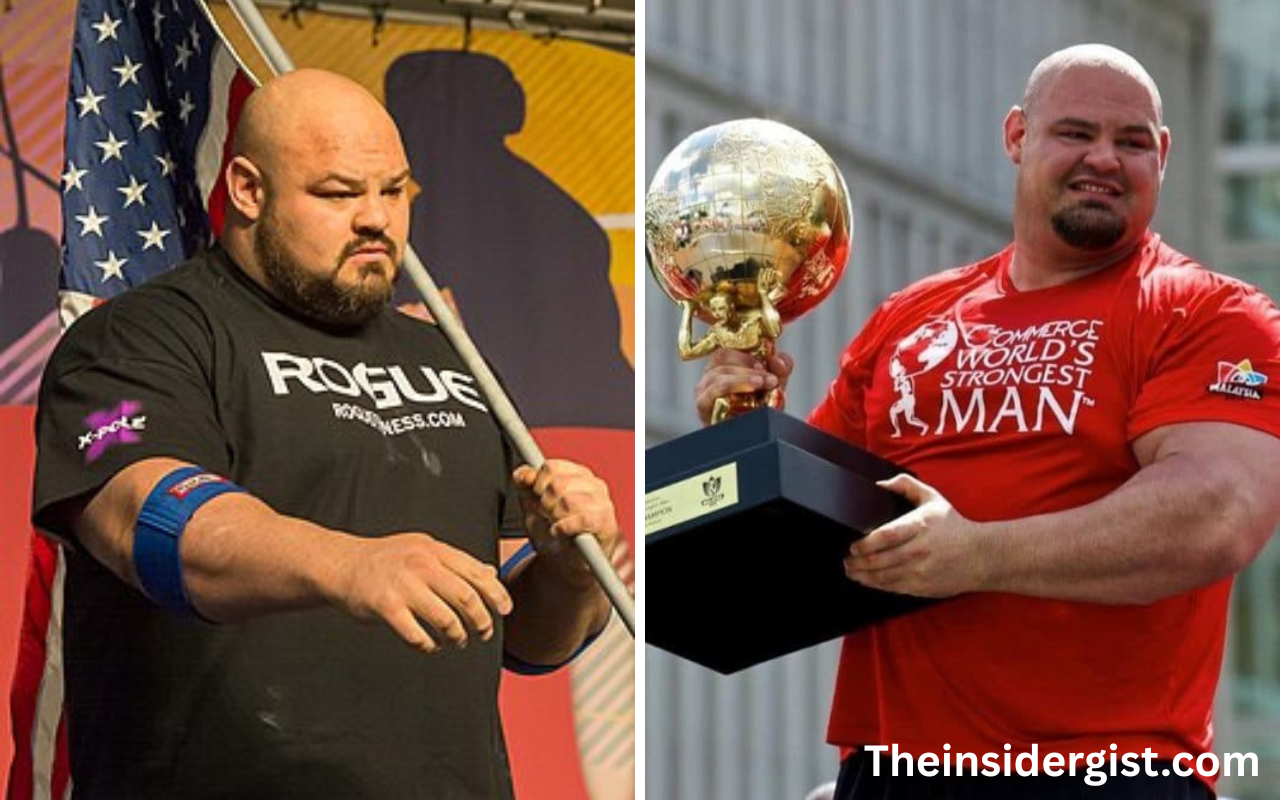
The most common error regarding Brian Shaw height involves confusing the NBA guard with the professional strongman who shares his exact name and has become a global icon in strength athletics. The strongman Brian Shaw stands at six feet eight inches tall and weighs an astonishing four hundred to four hundred thirty pounds depending on the competition season. This two inch difference might sound minor on paper, but visually and physically these two men could not be more different. The strongman has thighs thicker than the basketball player’s waist, hands that can crush steel implements, and a back that looks like a relief map of mountain ranges. When fans search for Brian Shaw height and land on the strongman’s statistics, they walk away believing that a six foot eight giant played point guard in the NBA, which creates an entirely false image of how the game was played.
This confusion started innocently enough because both men became famous during overlapping time periods. The basketball Brian Shaw won his three championships with the Los Angeles Lakers between two thousand and two thousand two, while the strongman Brian Shaw began winning World’s Strongest Man titles in two thousand eleven. Search engines struggled to distinguish between them, especially for casual fans who only remembered the name but not the sport. Some websites compounded the problem by copying information from one profile to another, resulting in basketball articles that claimed Shaw weighed over four hundred pounds or strongman articles that listed him at a lean one hundred ninety pounds. Even today, years after both athletes have established their legacies, you can find forum debates where people argue passionately about whether Shaw could have played center in the NBA because they assumed his height matched the strongman version.
Distinguishing between these two requires paying attention to a few key details beyond just the height number. The basketball Brian Shaw played his college ball at UC Santa Barbara before getting drafted by the Boston Celtics in nineteen eighty eight, and his professional career ended in two thousand three. The strongman Brian Shaw was born in nineteen eighty two, meaning he was just twenty one years old when the basketball player retired. Looking at photographs makes the difference immediately obvious, with the basketball player appearing lean and athletic while the strongman looks almost impossibly wide and thick. For anyone seeking accurate information about Brian Shaw height in a basketball context, the correct number remains six feet six inches, and any source claiming otherwise has likely fallen victim to this strange case of shared names and confused identities that continues to trick new fans every single year.
Comparing Brian Shaw Height to Other NBA Guards of His Era
Placing Brian Shaw height alongside his contemporaries reveals just how unusual his physical profile truly was for a point guard. During the nineteen ninety season, the average starting point guard in the NBA stood approximately six feet two inches, with notable exceptions like Magic Johnson at six foot nine representing rare outliers rather than the normal distribution. Shaw’s six foot six frame placed him in the ninety fifth percentile for height at his position, meaning only five percent of point guards matched or exceeded his stature. This put him in the same height conversation as shooting guards like Clyde Drexler and Joe Dumars, yet Shaw played the point position and facilitated offense rather than strictly hunting his own shot. His ability to switch onto shooting guards without needing help defense made him invaluable in playoff series where opposing teams tried to exploit size mismatches.
The comparison becomes even more striking when looking at specific defensive assignments Shaw handled throughout his career. In the nineteen ninety seven playoffs while playing for the Orlando Magic, Shaw regularly guarded Michael Jordan during stretches when the primary defender needed a rest. Jordan stood six feet six inches as well, making Shaw one of the few point guards who could look His Airness directly in the eyes without tilting his head upward. He used his height to contest Jordan’s famous fadeaway jump shot, getting a hand in the face that shorter defenders simply could not reach. While Shaw certainly did not stop Jordan from scoring, he made the shots more difficult than most point guards could manage, forcing the Chicago Bulls to work harder for every basket. This defensive versatility came directly from his height and wingspan working together to bother shooters who normally feasted on smaller defenders.
Other tall point guards of the era provide useful reference points for understanding where Shaw fit in the physical hierarchy. Penny Hardaway stood six foot seven and played a similar style, using size to see over defenses while maintaining guard skills. Shaun Livingston, who entered the league later, also stood six foot seven but relied more on post moves than perimeter shooting. Shaw occupied a middle ground between pure point guards and combo guards, skilled enough to run an offense but large enough to play off the ball when paired with another playmaker. His height never made him a superstar, but it kept him employed for fifteen seasons because coaches always valued someone who could fill multiple roles without sacrificing defensive integrity. When you watch old game footage of Shaw, pay attention to how easily he sees passing lanes and how his height helps him throw entry passes over smaller defenders who would have denied those looks against a shorter point guard.
The Role of Height in Shaw’s Transition to Coaching
After hanging up his sneakers as a player, Brian Shaw brought his six foot six perspective directly to the sidelines as an NBA coach. His height continued to influence his basketball philosophy because he understood at a cellular level what taller guards could and could not do against