





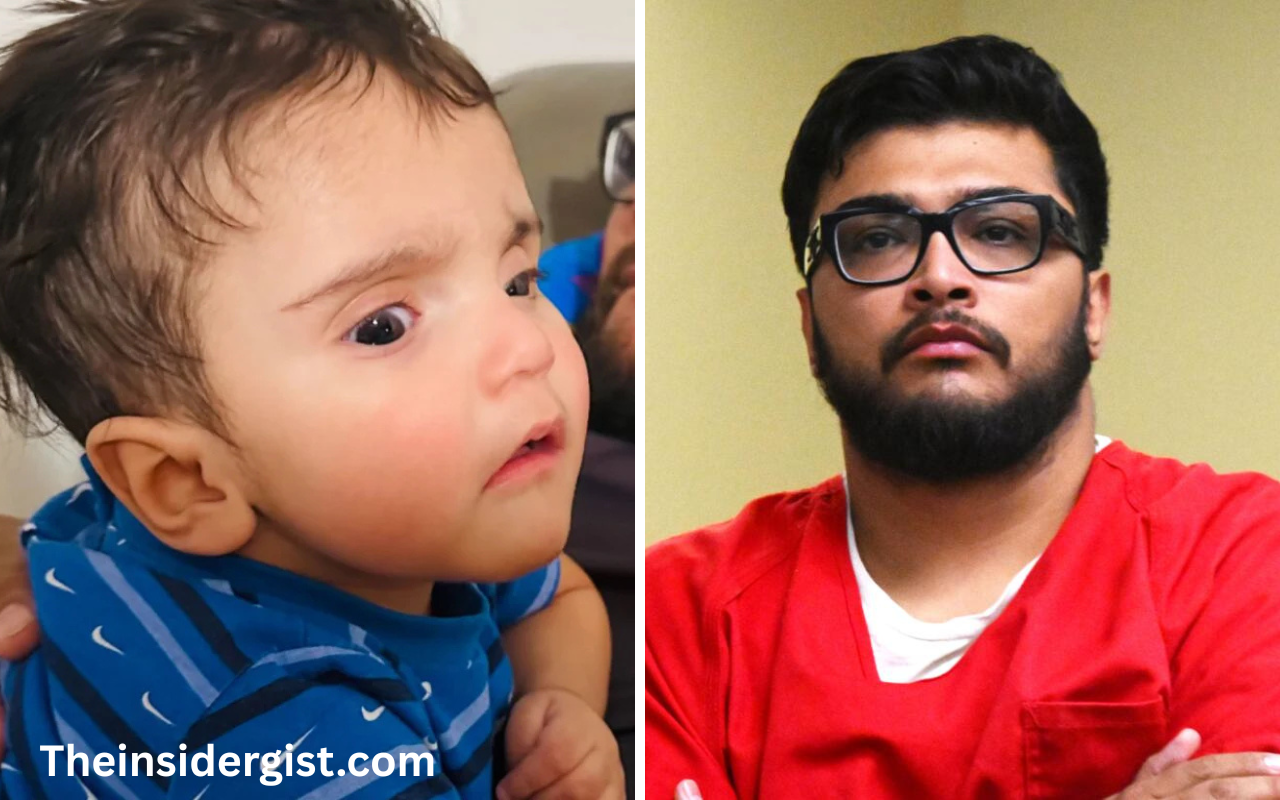
Jake Haro: A Tragic Case That Shook Public Trust and Raised Questions About Justice
The name Jake Haro became widely known across the United States after a deeply disturbing criminal case that captured national attention. What initially appeared to be a heartbreaking kidnapping story soon unraveled into a far more tragic and unsettling reality. The case not only exposed the devastating consequences of violence against children but also sparked serious conversations about systemic failures in child protection and the criminal justice system.
Quick Bio
| Field | Details |
|---|---|
| Full Name | Jake Mitchell Haro |
| Birth Year | 1993 |
| Age (at time of case) | Early 30s |
| Location | Cabazon, California, USA |
| Known For | Criminal case involving death of infant son |
| Charges | Second-degree murder, child assault causing death, false report |
| Sentence | 25 years to life imprisonment |
| Status | Incarcerated (as of 2026) |
Early Life and Background
Very little publicly documented information exists about Jake Haro’s early life, upbringing, or education. Like many individuals who later become involved in high-profile criminal cases, he lived largely outside the public eye prior to the incident that brought him notoriety. However, what later emerged during legal proceedings painted a troubling picture of past behavior, including a history involving child abuse allegations.
This background became particularly important when authorities and the public began examining whether earlier interventions could have prevented the tragic outcome that ultimately unfolded.
The Disappearance That Sparked National Attention
In August 2025, Jake Haro and his partner reported that their 7-month-old son, Emmanuel, had been kidnapped. According to their initial claims, the child had been taken under mysterious circumstances, prompting an urgent search effort.
The report triggered widespread concern. Law enforcement agencies launched a search operation, and media outlets quickly picked up the story. The disappearance of an infant naturally evoked strong emotional reactions from the public, with many hoping for a safe recovery.
However, as investigators began examining the details, inconsistencies started to emerge.
Investigation and Unraveling of the Story
Detectives soon noticed discrepancies in the statements provided by Jake Haro and his partner. Timelines did not align, and certain elements of the reported kidnapping lacked credibility. As pressure mounted, investigators shifted their focus from a potential abduction to a possible case of foul play within the family.
Through interviews, forensic analysis, and evidence gathering, authorities determined that the kidnapping story had been fabricated. This marked a turning point in the case, transforming it from a missing child investigation into a homicide inquiry.
Eventually, Jake Haro confessed to causing the death of his infant son. The revelation shocked the public and brought a tragic end to what many had hoped would be a rescue story.
Charges and Legal Proceedings
Following the confession, Jake Haro faced multiple serious charges. These included second-degree murder, assault on a child resulting in death, and filing a false police report.
The legal process moved forward with significant public scrutiny. Prosecutors emphasized the severity of the crime, particularly given the vulnerability of the victim. The defense, meanwhile, focused on legal strategy surrounding the plea.
Ultimately, Haro entered a guilty plea. This decision avoided a lengthy trial but ensured a substantial prison sentence.
Sentencing and Outcome
In November 2025, the court sentenced Jake Haro to 25 years to life in prison. The sentence reflected the gravity of the crime while also acknowledging the plea agreement.
The court also imposed additional penalties related to the false report and other charges. As of 2026, Haro remains incarcerated within the California state prison system.
The sentencing brought a degree of closure to the legal process, but it did little to ease the broader concerns raised by the case.
The Missing Body and Lingering Questions
One of the most haunting aspects of the case is that Emmanuel’s body has never been recovered. Despite the confession and investigation, the absence of physical remains leaves unanswered questions.
For many observers, this detail adds another layer of tragedy. It denies the possibility of a proper burial and leaves a sense of incompleteness in the case.
Law enforcement officials have indicated that, while the case is legally resolved, the search for answers continues in some capacity.
Prior History and System Failures
Perhaps the most troubling aspect of the Jake Haro case is the revelation of his prior history involving child abuse. Before the fatal incident, Haro had reportedly been involved in another case where an infant suffered serious injuries.
Despite the severity of that earlier situation, the legal outcome resulted in probation rather than a lengthy prison sentence. This decision later became a focal point of criticism.
Many questioned whether stronger action at that earlier stage could have prevented the later tragedy. The case has since been cited as an example of how gaps in the system can have devastating consequences.
Public Reaction and Media Coverage
The case received extensive media coverage, not only because of its shocking nature but also due to the initial kidnapping narrative. The contrast between the early reports and the eventual truth drew widespread attention.
Public reaction was marked by grief, anger, and frustration. Advocacy groups and commentators used the case to highlight the need for stronger protections for children and more effective intervention mechanisms.
The story also served as a reminder of how quickly public perception can shift as new information emerges during an investigation.
Broader Implications
Beyond the specifics of the case, the Jake Haro story raises important questions about accountability and prevention. It underscores the need for:
Improved monitoring of individuals with a history of abuse
Stronger legal consequences in early-stage abuse cases
Better coordination between social services and law enforcement
Increased public awareness about signs of domestic violence and child endangerment
These issues remain central to ongoing discussions about reforming systems designed to protect vulnerable individuals.
Read More: 2 Actors Died Yesterday: Truth Behind the Viral News and Recent Celebrity Deaths
Conclusion
The case of Jake Haro is a tragic example of how violence within a family can escalate to irreversible consequences. What began as a reported kidnapping ended as a confirmed act of violence against an innocent child, leaving a lasting impact on the community and the broader public.
While the legal system has delivered its judgment, the case continues to resonate as a cautionary story. It highlights the importance of vigilance, early intervention, and accountability in preventing similar tragedies in the future.
For readers seeking in-depth coverage of real-life cases and societal issues, platforms like theinsidergist aim to provide thoughtful analysis and awareness around stories that matte